Wood Engraving, 2026

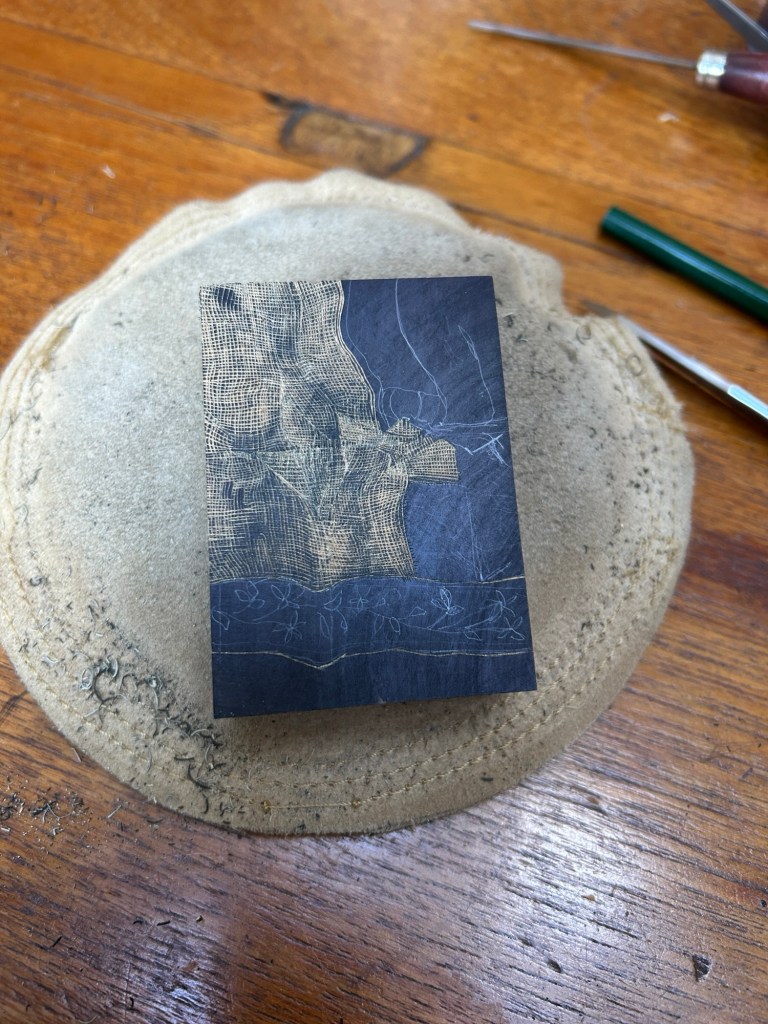
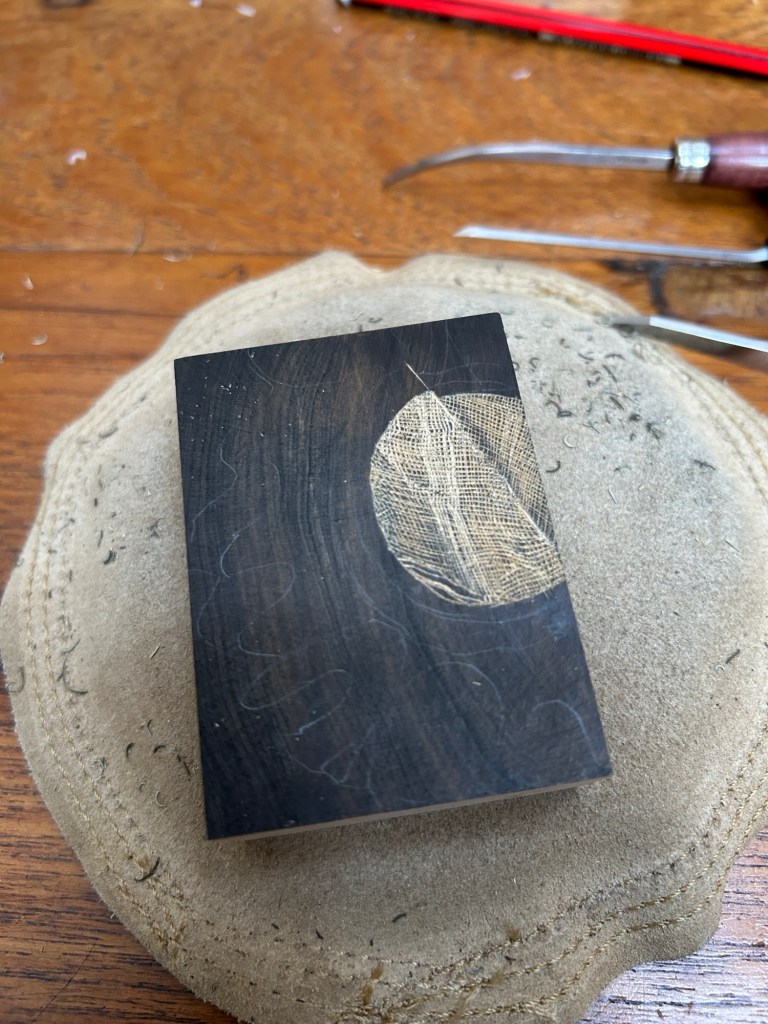
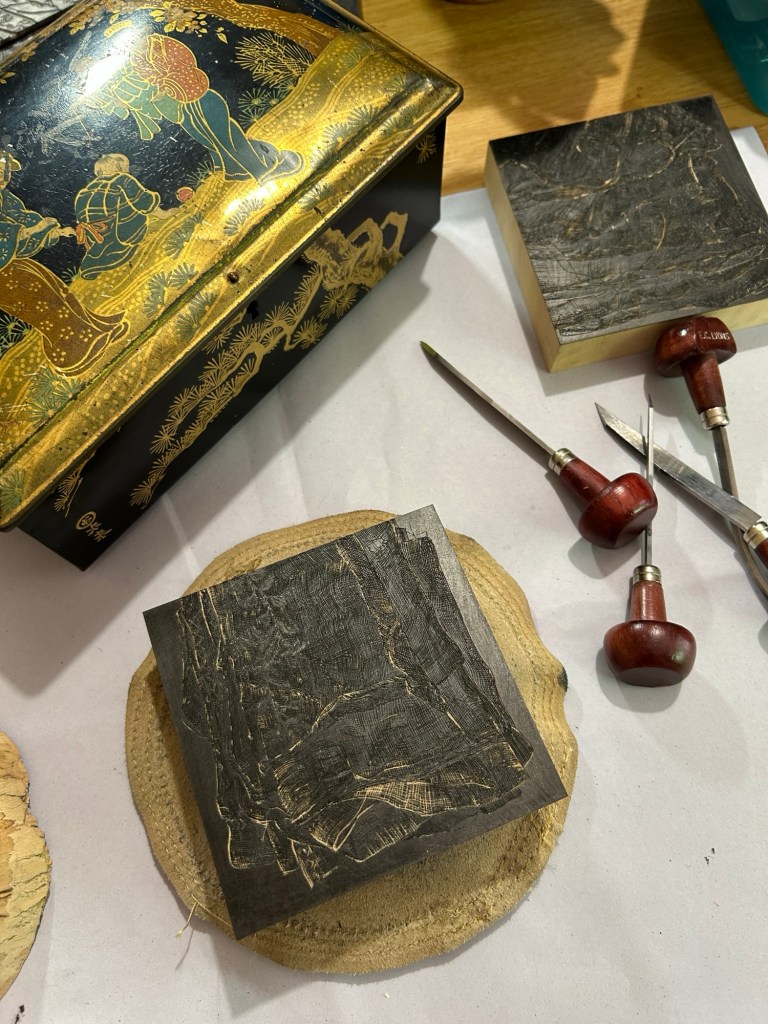
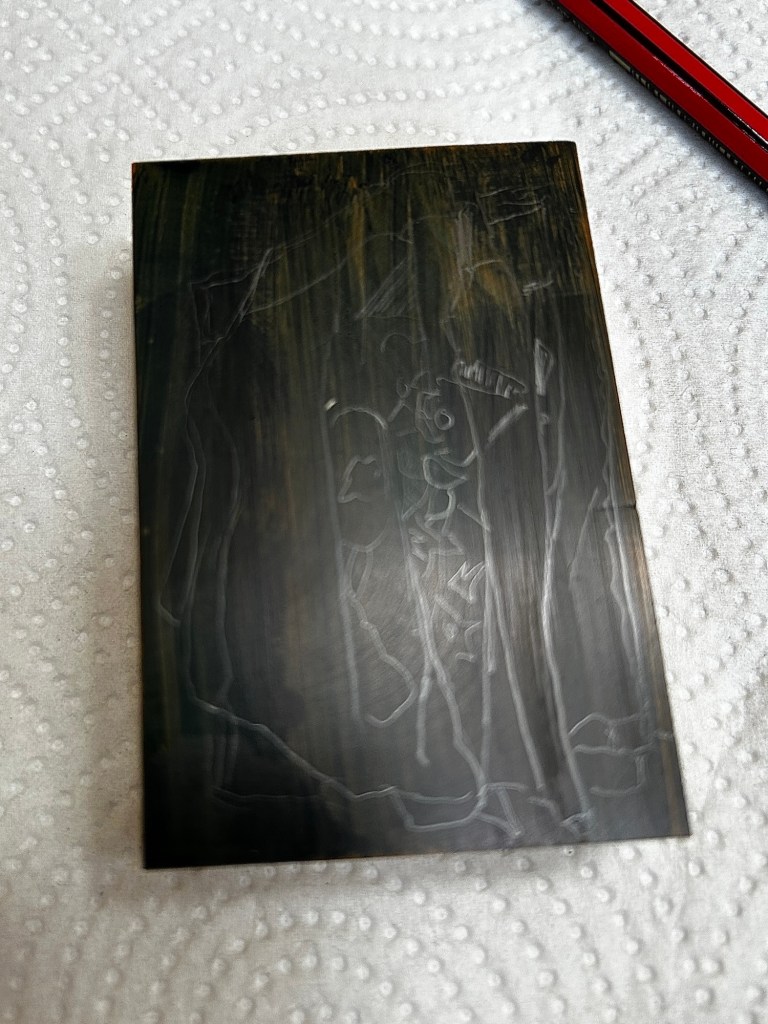
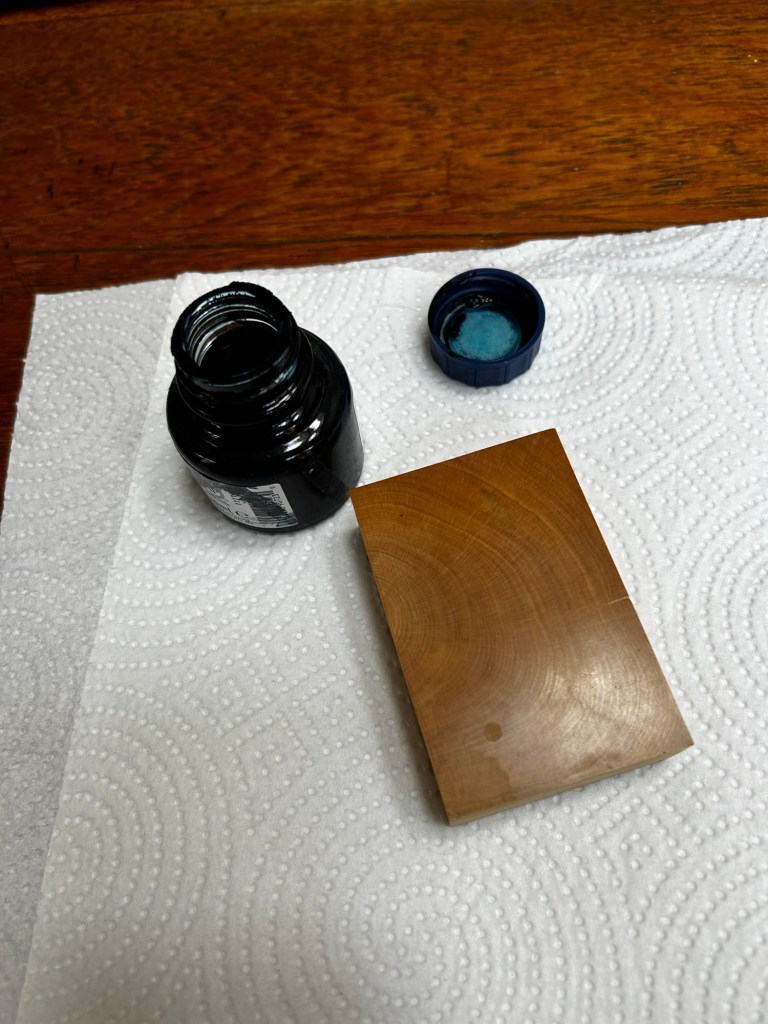
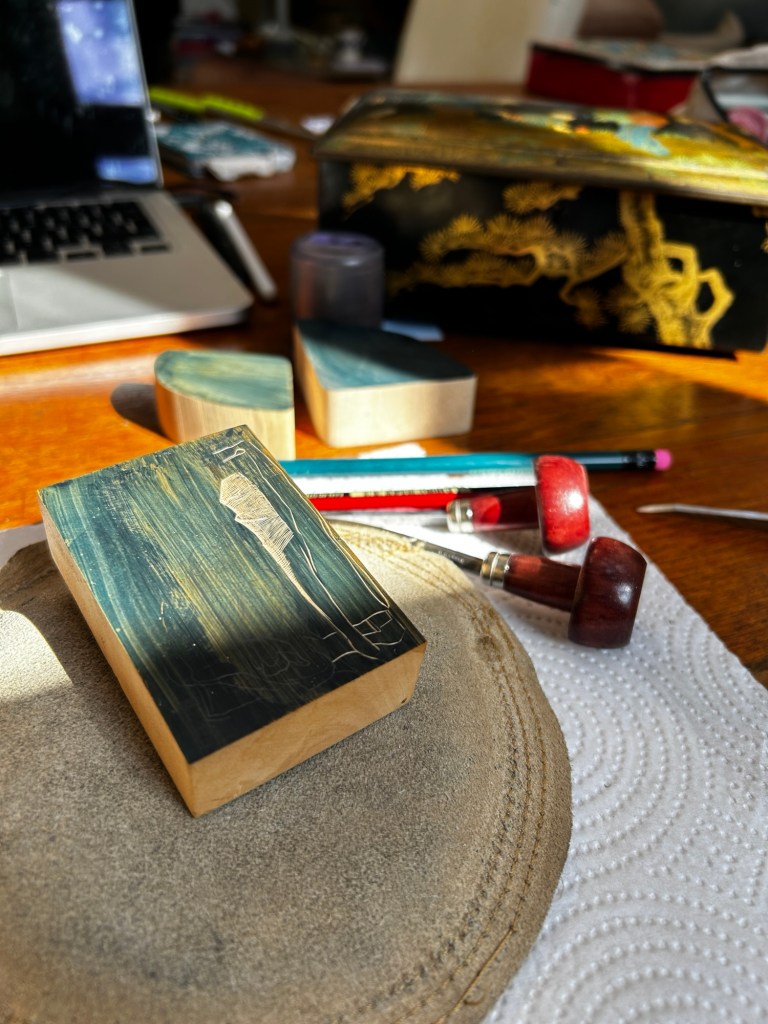
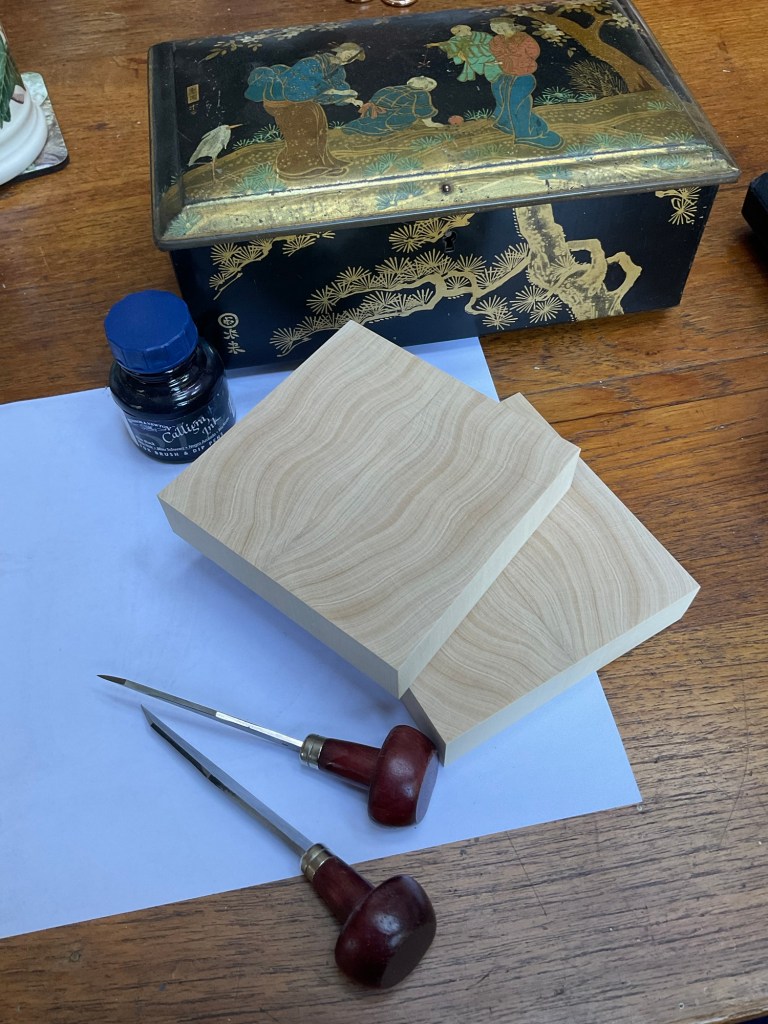
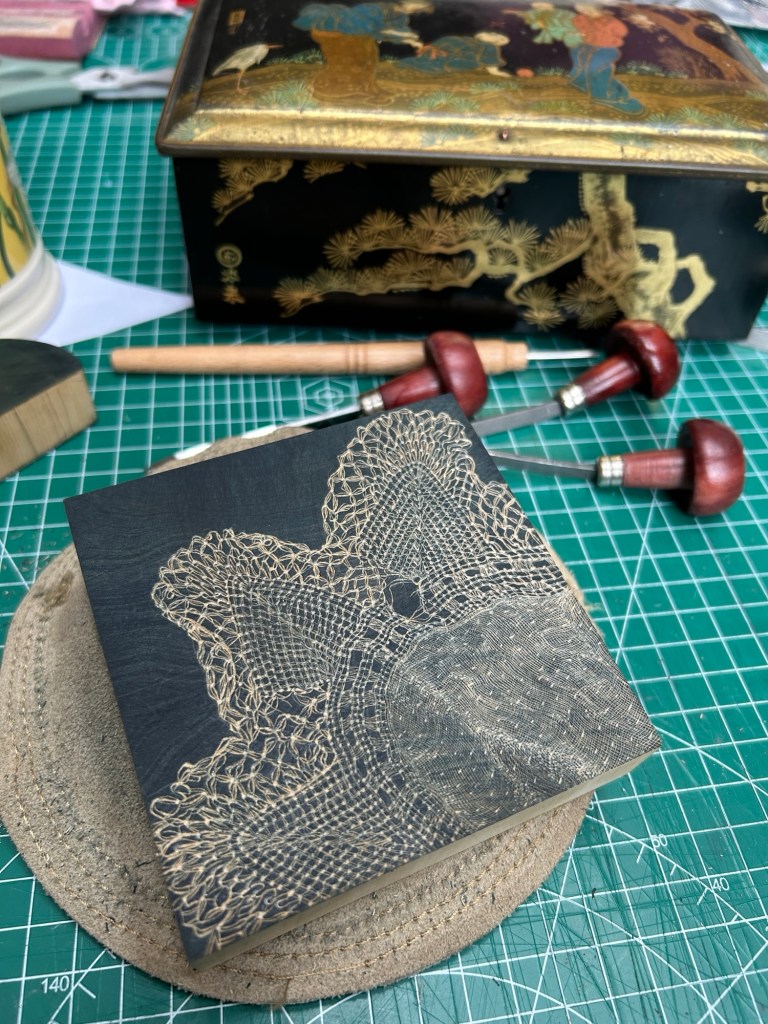
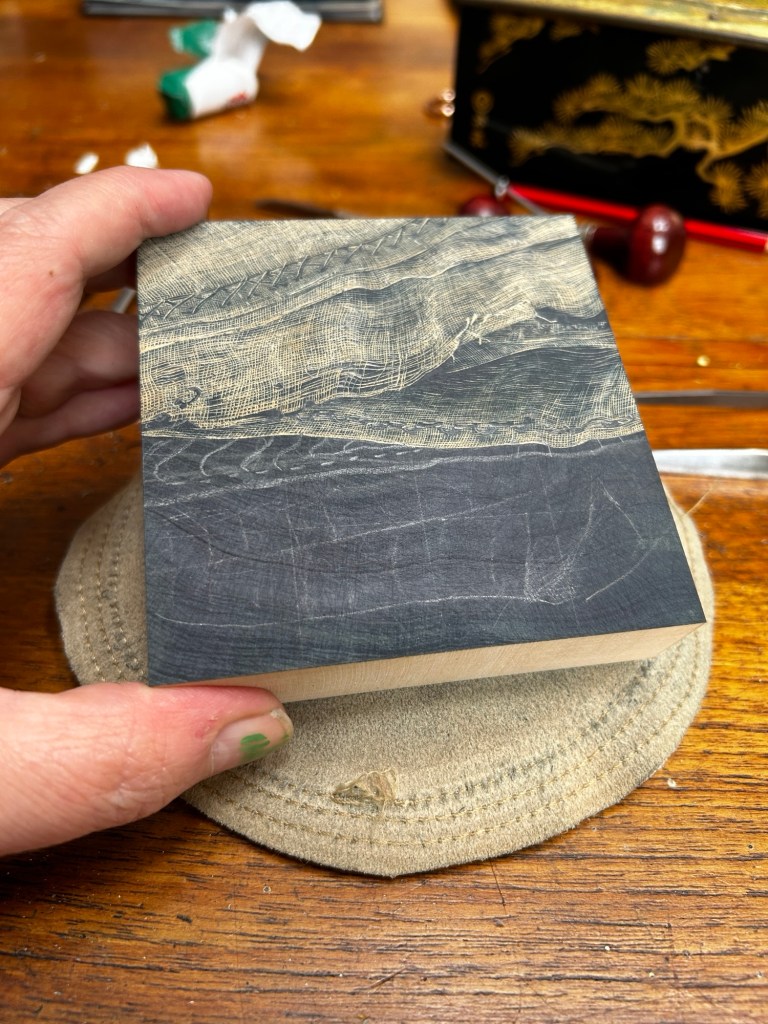
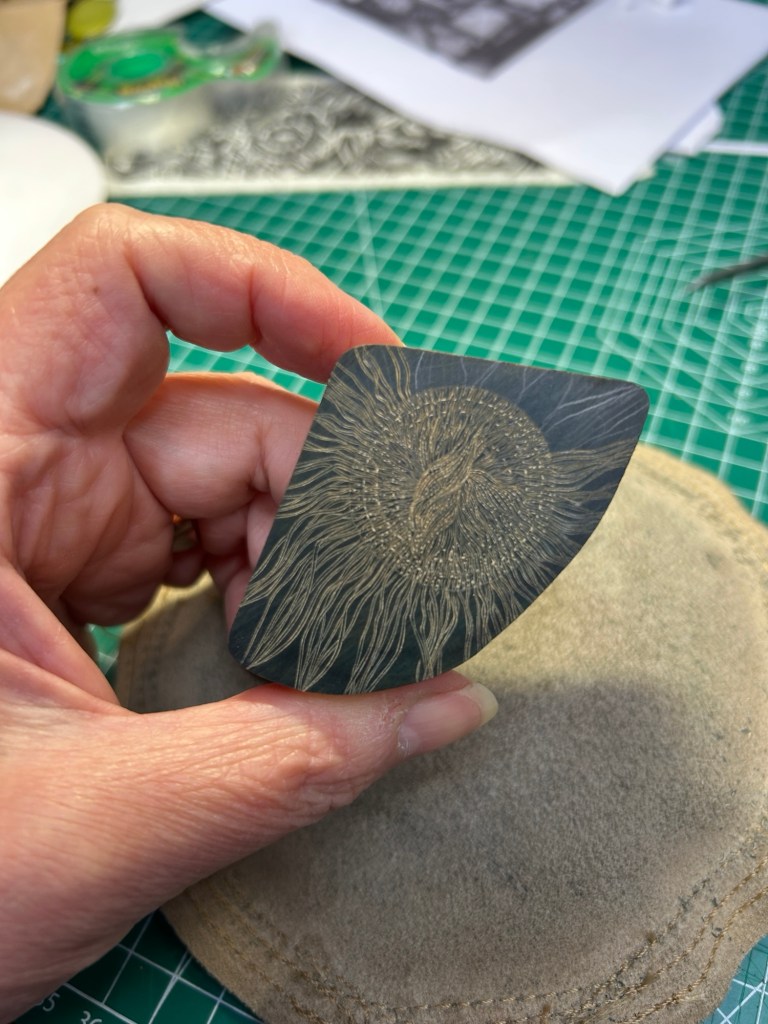
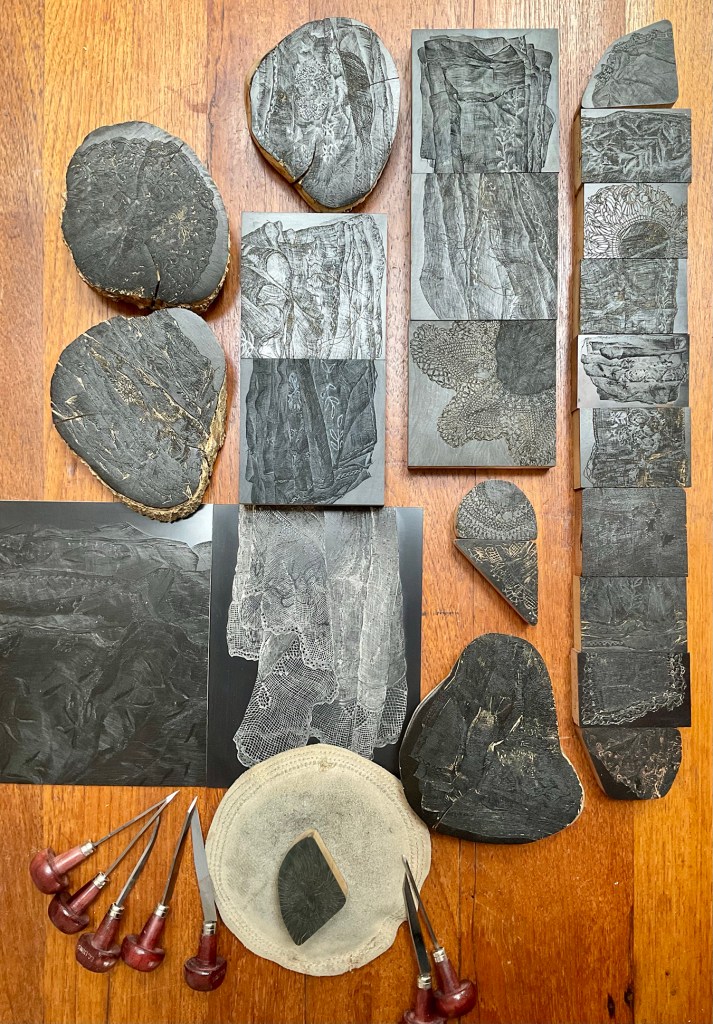
It has been quite a year and as I write, I realise that my wood engraving journey has been bookended by winning the Society Of Wood Engravers Prize at the RE International Original Print Exhibition both in 2025 and just a few weeks ago in 2026. Their very generous prize has afforded me the opportunity of purchasing the precious tools that are very much required for engraving either end grain boxwood or fruit woods, such as pear or lemonwood. It has been a truly wonderful learning experience, helped by the advice of respected wood engravers from the RE and the SWE. I have got to grips with the fabulously named spitstickers, scorpers and gravers developed over the centuries to produce the level of detail I have wanted to achieve.
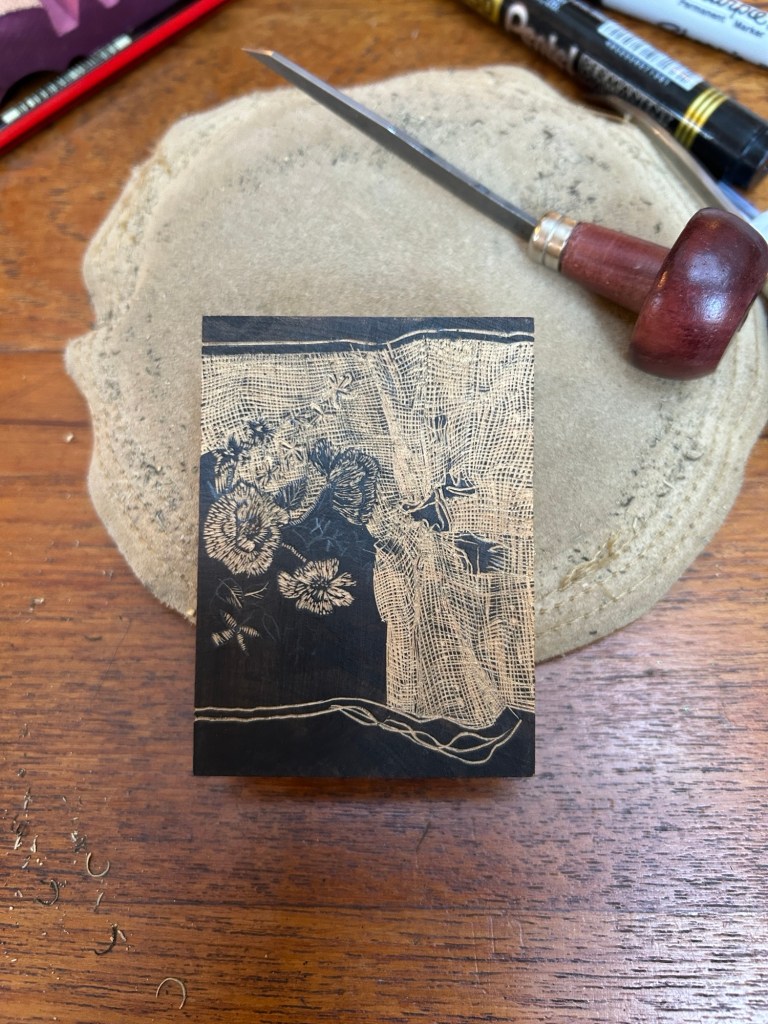
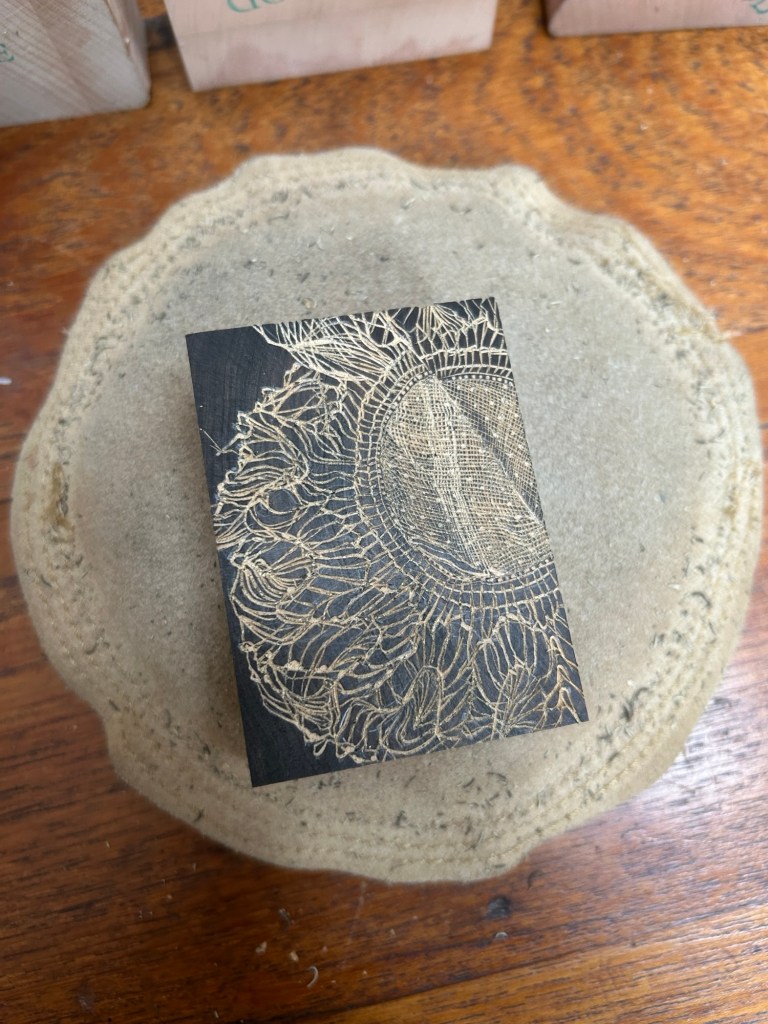
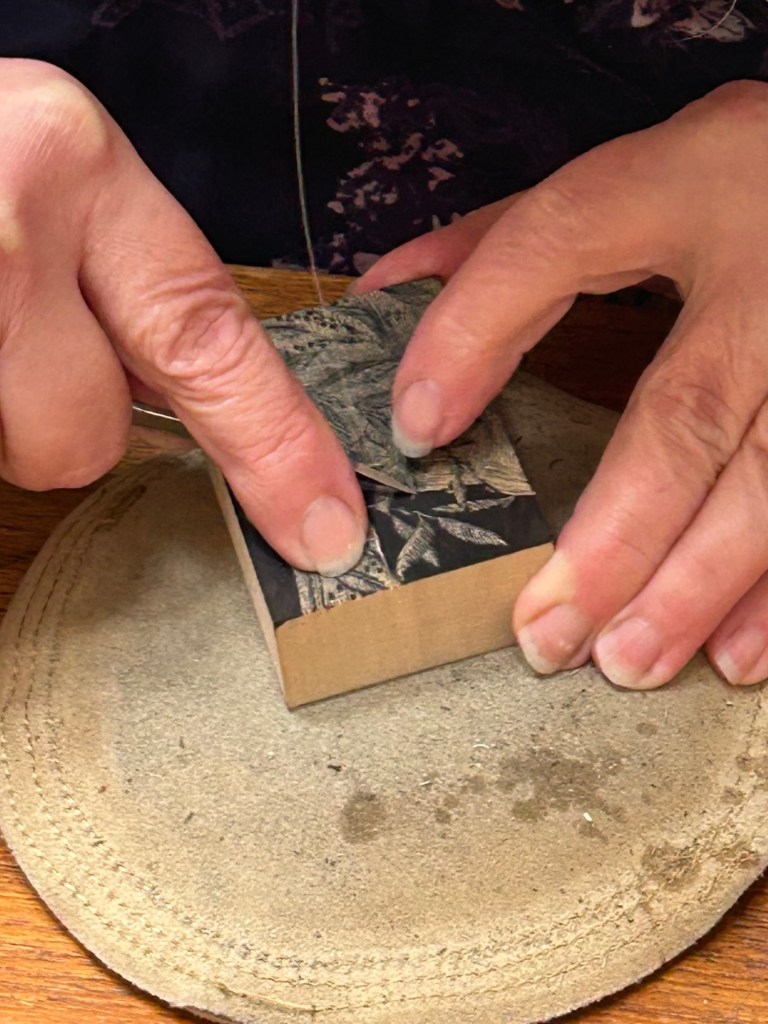
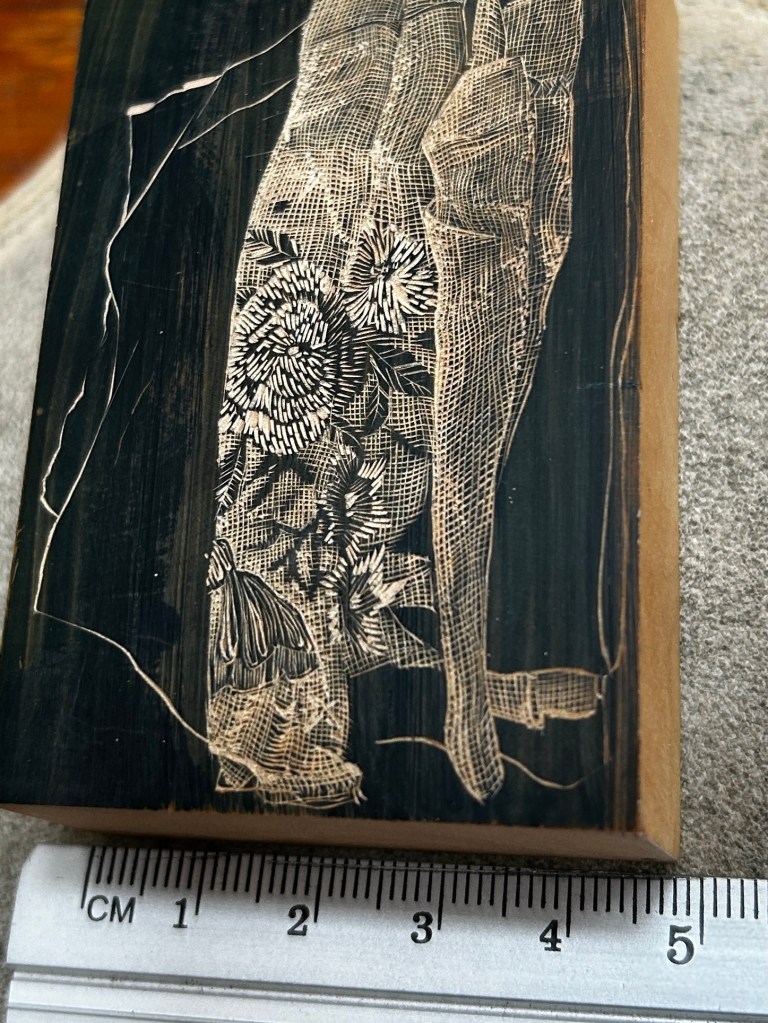
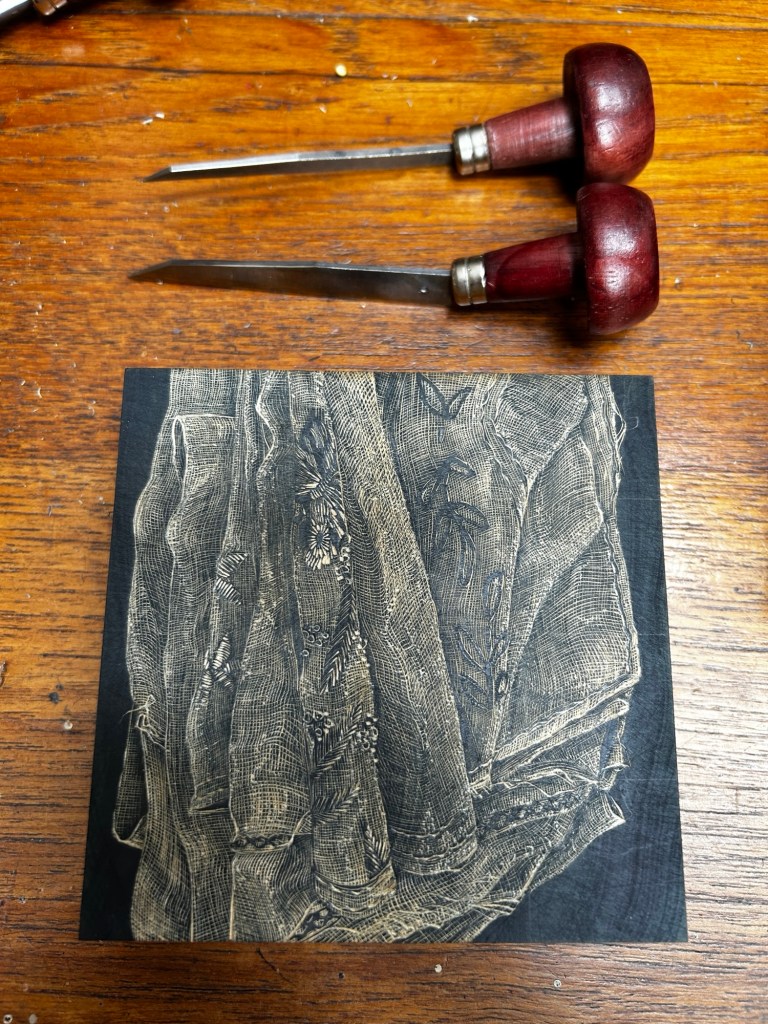
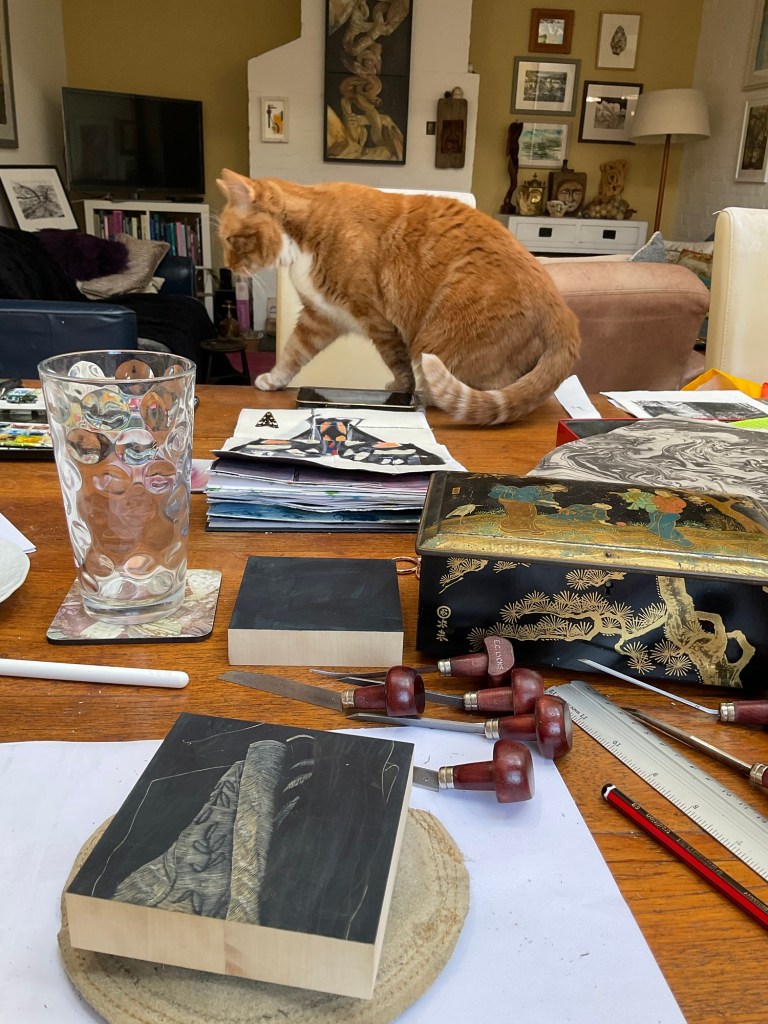
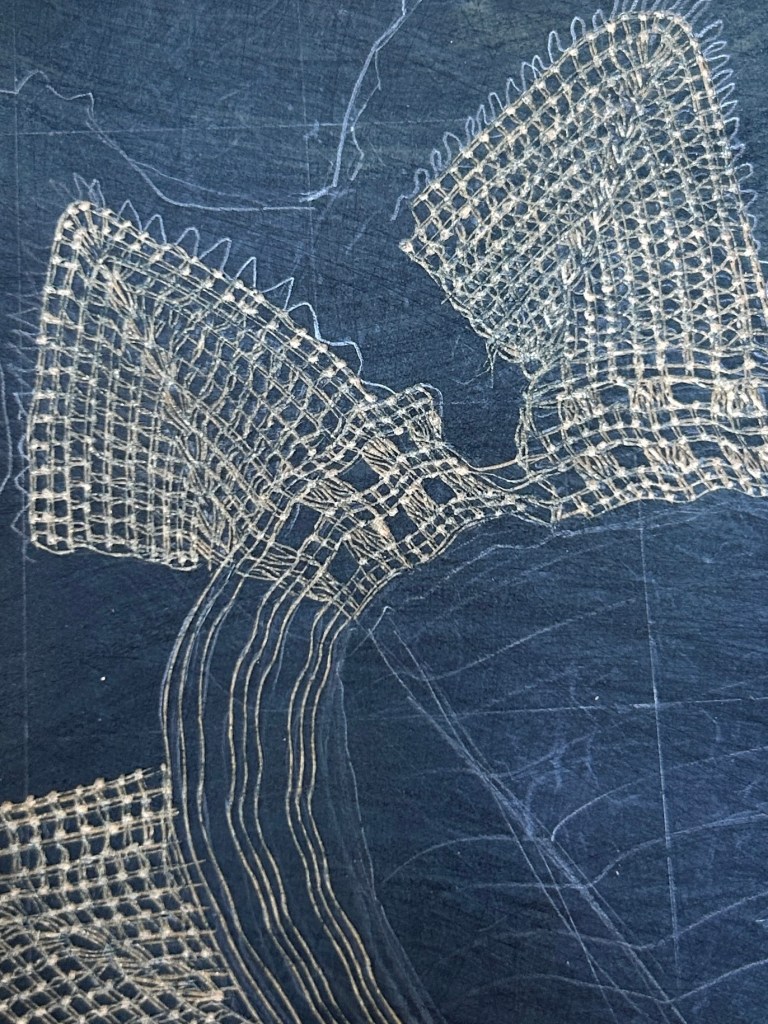
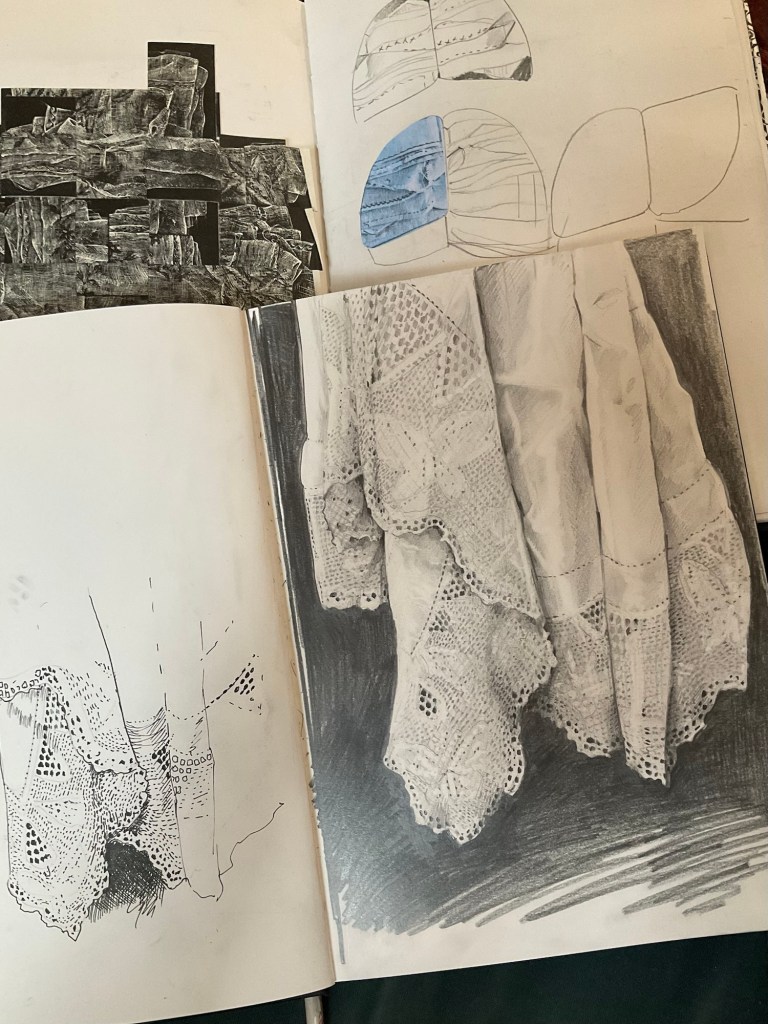
Since receiving the tools and wood blocks from Chris Daunt, I have spent most of my year exploring the possibilities of this noble print process. I have found it to be the perfect medium for conveying the intricacy of my heirloom textiles. Each tiny line conveys a thread, stitch, loop or tear, preserving the memory of my family now passed. Further to this, as a carer for my rather fragile 91 year old mother, the connection seems even more visceral. She now has dementia and the feeling of these pieces of lace and embroidery provide an occasional moment of clarity that we can share. I show her every stage of my engraving and she gets pleasure from feeling the fine surface and seeing the resulting prints. She too was a very able embroiderer, which sadly has now eluded her, but the art is alive for her still through our short conversations each day.

Each block is printed with letterpress ink and hand burnished (with the back of a spoon quite often) on Awagami papers. I favour Shiramine Select and Kitakata for their softness and versatility. My husband and I are currently learning Japanese and hope very much to return to Japan to visit the Awagami factory for a papermaking workshop. That would be a dream come true and if we could converse a little too…!

There are so many possibilities with the resulting blocks. I like to juxtapose them, to collage fragments and thank Anne Desmet sincerely for the suggestion of printing them on Japanese tissue paper to explore reflected imagery.

I have been fortunate to have been selected for many prestigious exhibitions this year, including the RE International Original Print Exhibition (SWE prize 2025 and 2026), The RBSA Print Prize (awarded Highly Commended) and RBSA Summer Show, Leicester Print Workshop Small Print International and the Ironbridge Printmaking Competition. I was also proud to have been selected to exhibit at The Norwich Print Fair and Print fair East in Bury St Edmunds. I was also selected for the Inprint Director’s Cut for a drypoint ‘Tea Dance’… more of those in my next post…

I am so looking forward to 2027 and all the print possibilities it may bring!

A little footage of ‘Unfold’ unfolding …

Print practice and expanded themes

I am intensely drawn to the intricate and seek to render a printed image that explores the fragility and preservation of skills that have almost slipped off the historical timeline. Marks made with fine tools are perfect to describe the tension between the linear and bolder areas of ink. My focus aims to describe points of rhythm, as well as inevitable loss when observing the intrinsic beauty of antique textiles, the cracked and crazed, or fragmented clues to the hands that so expertly created them.

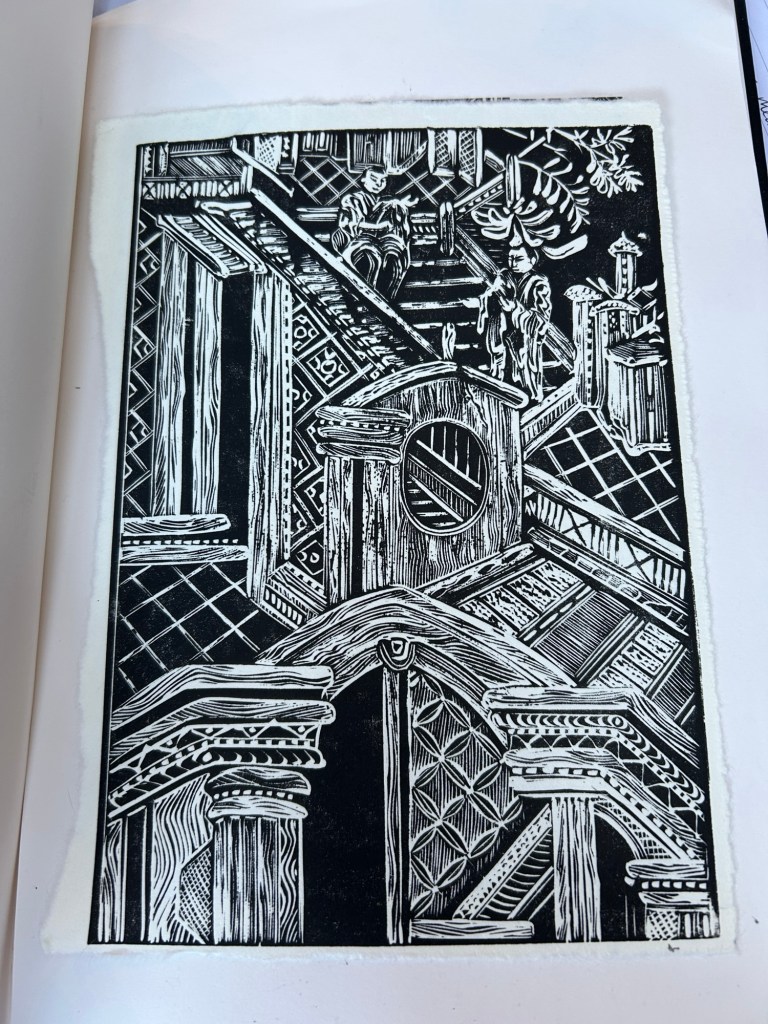
I tend to choose to work in black and white. I prefer this, as I am not aiming to replicate the subject matter. For example, I could have reduced the lino to develop colour in some of the Heirloom embroideries, but I feel that the resulting image could have been interpreted in a different way. Instead I wish the primary focus to be a conversation with the hands that made, repaired or reassembled my subjects that are now fixed in print.

See my last blog post for further information about my Heirloom series, but here I will explore how I am developing this theme.

Stained Glass

We are very fortunate here in Suffolk, UK to have a significant collection of medieval stained glass in our churches. They are absolutely stunning and we are so lucky that many have survived hardship over the centuries. My initial interest was sparked by the extraordinary reassembled panel in Moyses Hall, our local museum. Here small fragments of glass were found from exacavations around the site of the original Abbey (I think) and re-leaded to form a mosaic of fragmented imagery. Each piece treasured and thoughtfully positioned.

I have been cutting tiny pieces of lino over the last year or so, replicating this act of retrieval and have begun experimenting with the pieces I have carved. I have about 40 pieces so far and it has been an absolute delight to scrutinise the workmanship in the shards of glass, painted with metallic oxides.

Since exploring the Abbey Glass panel, I have sought out other reassembled shards, which has taken me to Long Melford in Suffolk, where Pevsner noted had the finest collection of stained glass in a parish church, to Winchester Cathedral. Only 10% of medieval glass survived the Reformation in the 1530s and The English Civil War of the 1640s and Winchester was no exception. The Great West Window is absolutely splendid and on close inspection, one can see that again it is patchwork of kaleidoscopic fragments. The original window must have been utterly extraordinary, but it was smashed by the Roundheads who had laid claim to the city during the Civil War. The locals were devastated and undertook the careful collection of every smashed piece. They each took home as much as they could to preserve the glass. The window was re-leaded after the Restoration in the 1660s and finally re-installed. It makes for a very modern rendering now with fabulous abstract forms running through the entire window and I was moved by the story of preservation, repair and restoration… just as my family had done in a simple way with their treasured pieces of handmade textile.

Marquetry

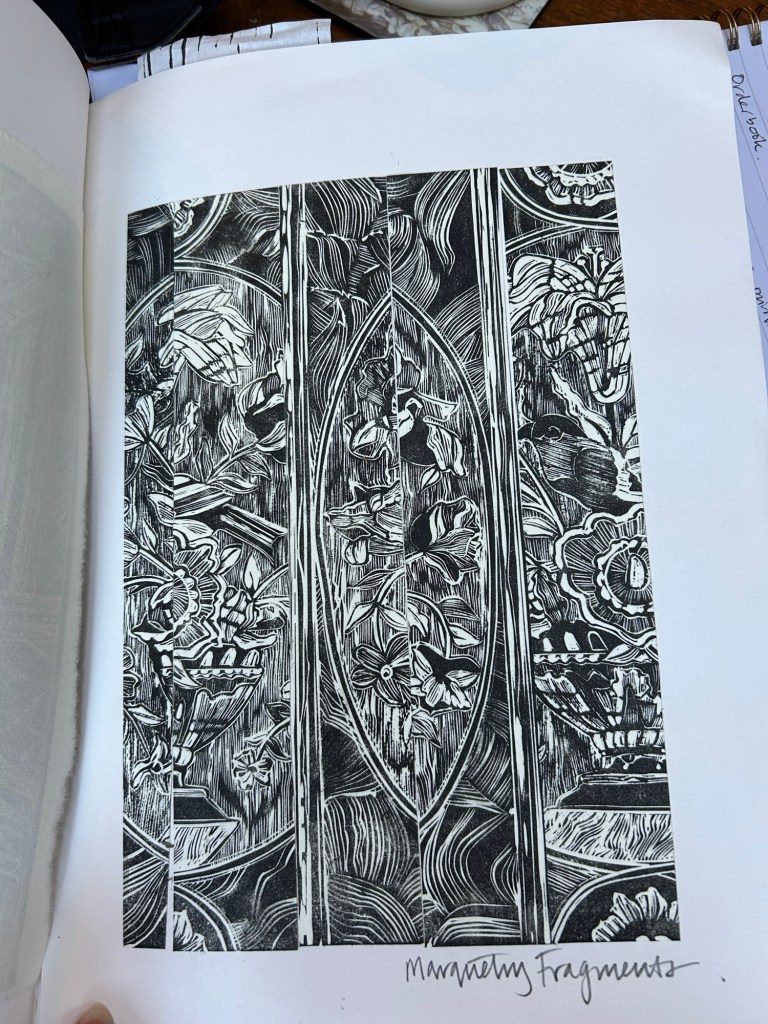
My series of marquetry prints, worked from the collection of 18th century Long Case Clocks further illustrates my theme. The clocks, in a local collection, stand quiet and the intricate wooden inlays are crazed and dry. The patterns on their cases are not supposed to be encasing silence and my prints seek to illustrate this poignant, timeless moment and intend to preserve their intrinsic beauty within my linear marks and composition.

I have carved several linocuts exploring this theme this year. I am considering disrupting them, by cutting the lino blocks into careful strips and reassembling them to create reinterpretations of my own, pushing my practice further.

Cracked Pots

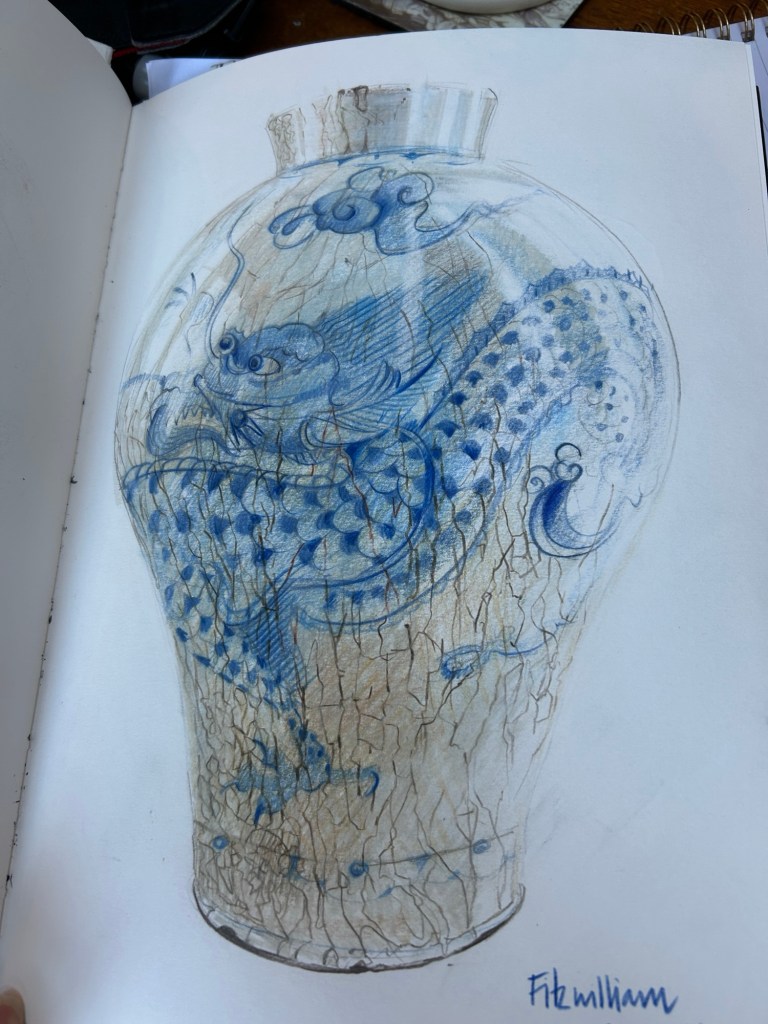
I am enjoying the challenge of rendering tiny crazed lines and cracks found in porcelain and other ceramics. I have several ideas that I am exploring, having visited and sketched at the Fitzwilliam Museum, Cambridge on many occasions. For now, I have been focusing on small areas of crazing etc, but have just received some larger sheets of lino block (60 x 40cm I think) and am excited to work on some sizeable prints over the next few months. These I will share more fully in a future blog entry…